
Branded Promotions That Actually Work: A Complete Guide for Australian Businesses
Discover how to run effective branded promotions in Australia — from product selection to decoration methods and budgeting tips.

Written by
Ethan Kowalski
Corporate Gifts
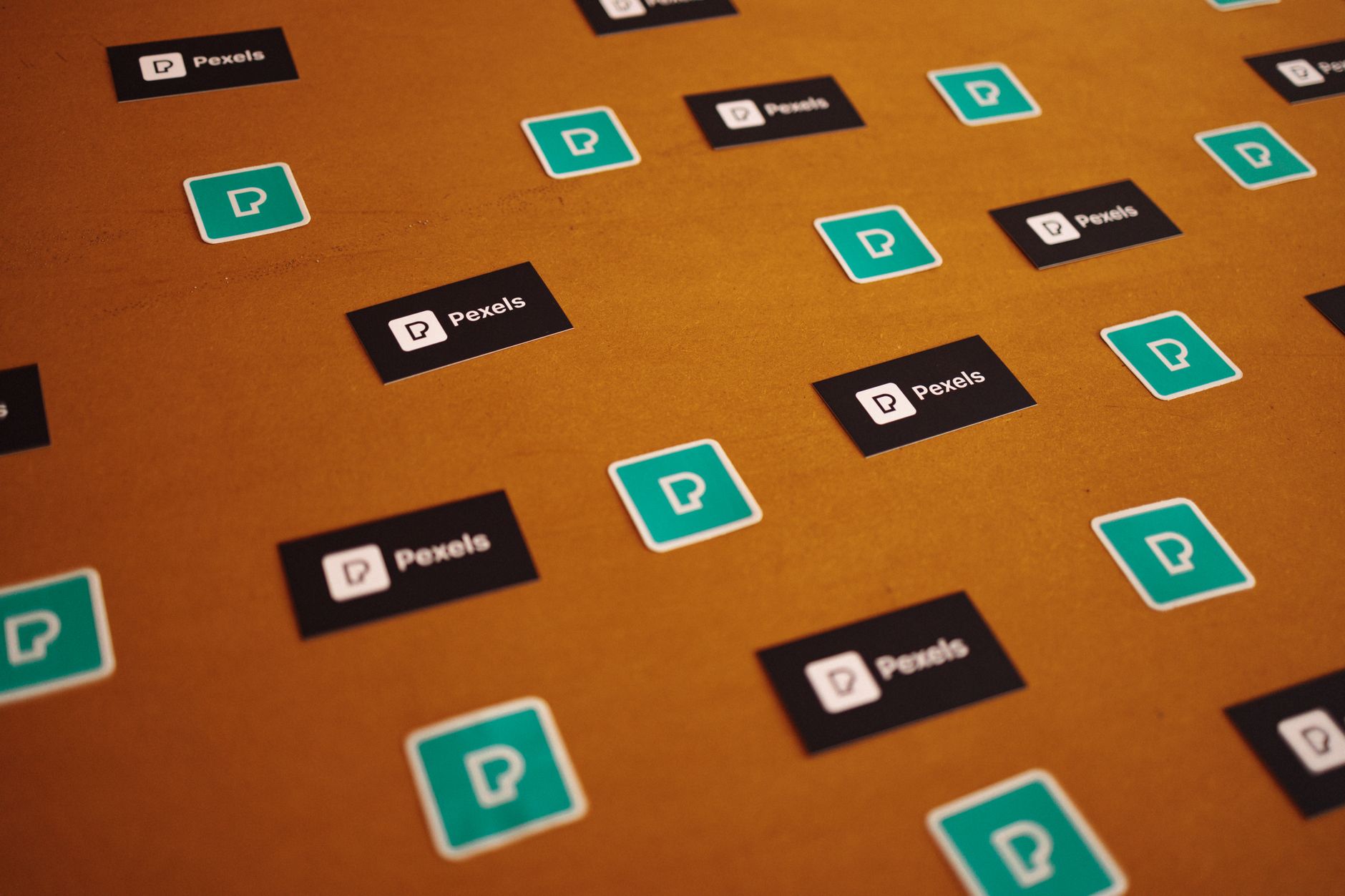
Branded promotions are one of the most cost-effective marketing strategies available to Australian businesses — yet many organisations leave serious value on the table by approaching them without a clear plan. Whether you’re a Sydney corporate team preparing for a major conference, a Brisbane event organiser sourcing giveaways, or a Melbourne-based company looking to strengthen client relationships, getting your branded promotions right can genuinely move the needle on brand awareness, loyalty, and recall. This guide breaks down everything you need to know to plan, execute, and measure a successful branded promotion in 2026.
What Are Branded Promotions and Why Do They Matter?
At their core, branded promotions involve distributing physical items — apparel, drinkware, tech accessories, bags, or stationery — that carry your logo, brand colours, or messaging. Unlike digital advertising, which disappears the moment a scroll moves on, a well-chosen branded item sits on someone’s desk, travels in their bag, or gets worn around town for months, sometimes years.
The numbers back this up. Research consistently shows that recipients of promotional products remember the brand that gave them the item far longer than those who saw a digital banner ad. More importantly, they often pass items on to others, extending your reach organically.
Understanding why brand is important helps put this in context. A strong, consistent brand presence builds trust and recognition — and physical branded items are a tactile, everyday reinforcement of that presence. For businesses trying to increase brand awareness, promotional merchandise sits at the intersection of utility and visibility.
Planning Your Branded Promotions Strategy
Jumping straight into ordering products without a plan is one of the most common mistakes organisations make. A few key questions should anchor every decision you make.
Define Your Goal
Are you trying to attract new clients, reward existing customers, build team culture, or make an impression at a trade show? Each objective points you towards different products, quantities, and distribution methods. A law firm in Perth looking to thank high-value clients has very different needs from a Gold Coast startup trying to generate buzz at a networking event.
Know Your Audience
The more you understand your recipient, the better your product choice will be. Corporate professionals tend to appreciate premium items — quality branded polo shirts, leather-look notebooks, or high-end drinkware — that feel genuinely useful rather than throwaway. Younger, casual audiences often respond better to lifestyle items like custom tote bags, hoodies, or novelty accessories.
Set a Realistic Budget
Branded promotions can work at almost any budget level, but you need to be realistic about what’s achievable at different price points. As a rough guide:
- Under $3 per unit: Pens, basic lanyards, stickers, budget tote bags
- $3–$10 per unit: Quality notebooks, standard water bottles, printed mugs, custom stubby holders
- $10–$25 per unit: Branded hoodies or polo shirts, insulated drink bottles, good-quality caps, power banks
- $25+ per unit: Premium apparel, tech accessories, leather goods, luxury gift sets
Remember that bulk ordering almost always reduces your per-unit cost significantly. Ordering 500 units typically costs far less per item than ordering 50 — so if you have the volume, scale up.
Choosing the Right Products for Your Branded Promotions
Product selection is where many brands either thrive or stumble. The golden rule: choose items people will actually use. Usefulness drives visibility, and visibility drives brand recall.
Apparel and Workwear
Branded clothing is one of the highest-visibility promotional tools available. A team wearing matching promotional clothing at an event, a tradesperson in a branded hi-vis vest, or a corporate group in well-embroidered polo shirts — each person becomes a walking advertisement for your brand.
For businesses needing reliable everyday uniforms, working polo shirts and branded polo shirts offer durability, professionalism, and consistent brand representation. For casual events and trade show giveaways, Gildan t-shirts remain a popular, cost-effective choice that can be screen printed in bulk without breaking the budget.
If you’re after something more distinctive, embroidery patches or iron-on embroidered patches can add a premium, tactile element to apparel and bags. They work exceptionally well for clubs, organisations, and corporate teams looking for something that stands out from standard screen printing.
For sporting events or fitness-focused organisations, custom sportswear with your logo offers both brand presence and genuine utility.
Drinkware
Drinkware is consistently among the top-performing categories in branded promotions. People use a quality drink bottle or coffee cup every single day, giving your brand consistent, repeated exposure.
Branded promotional drink bottles are a staple for conferences, health campaigns, school fundraisers, and corporate welcome packs. Personalised plastic water bottles work well for high-volume campaigns where cost per unit needs to stay low, while insulated stainless steel options suit premium gifting.
Don’t overlook promotional coffee cups — particularly for office-based recipients. Keep cups and ceramic mugs are used multiple times a day and are often taken into meetings, cafés, and shared spaces where your brand gets noticed by more than just the original recipient.
For more casual events or sporting functions, personalised stubby holders are an affordable, crowd-pleasing option that’s perfectly suited to the Australian outdoor lifestyle.
Tech Accessories
Technology-focused branded items tend to command strong perceived value. A branded power bank or charger is a genuinely useful gift that recipients keep and use regularly — and every time someone else offers to lend you their power bank, your brand gets seen.
Promotional USB drives have evolved significantly in recent years. Beyond basic storage, custom-printed USBs can be pre-loaded with branded content, product catalogues, or event materials — making them both a promotional item and a marketing delivery mechanism.
Bags and Accessories
Bags carry brands further, literally and figuratively. A quality tote or backpack travels on public transport, into offices, to gyms, and through airports. Printed tote bags are particularly popular for conferences, retail promotions, and eco-conscious brands looking for sustainable visibility.
Decoration Methods: Getting the Look Right
The way your logo is applied to your chosen product has a huge impact on the final result. Choosing the right decoration method depends on the product material, your artwork complexity, and your budget.
- Screen printing: Best for simple, bold designs on flat surfaces like t-shirts, tote bags, and caps. Cost-effective at volume.
- Embroidery: Gives a premium, professional finish on apparel and bags. Ideal for polo shirts, caps, and jackets.
- Laser engraving: Perfect for metal or wooden products, awards, drinkware, and tech items. Produces a precise, elegant result.
- Pad printing: Suited to smaller items with flat surfaces — pens, lids, keyrings, and plastic accessories.
- Sublimation: Allows full-colour, all-over printing on polyester garments and ceramic mugs. Vibrant and durable.
- Heat transfer: Flexible option for smaller runs or complex, multi-colour artwork on apparel.
Understanding which method suits your product prevents costly mistakes and ensures your brand looks its best.
Working With Suppliers: What to Know Before You Order
Navigating the promotional products supply chain can feel overwhelming if you’re new to it. Here’s what experienced buyers know that first-timers often don’t.
Understand MOQs
Minimum order quantities vary significantly by product and supplier. Common MOQs in Australia range from as low as 25 units for embroidered patches up to 100–250 units for custom-printed apparel and 500+ for certain printed accessories. Always clarify MOQs before committing to a product.
Factor in Setup Fees
Many decoration methods involve a one-off setup fee (particularly screen printing and embroidery digitising). These fees typically range from $30–$120 and are charged per colour or per design. They’re usually waived or reduced on repeat orders, so building an ongoing relationship with your supplier pays off. Exploring promotional product giveaway strategies is a useful starting point for understanding how to plan quantity and budget effectively.
Request Samples and Proofs
Never approve a large order without seeing a pre-production proof (a digital mockup showing your logo on the product). For higher-value orders, consider requesting a physical sample. A few days of delay upfront is far preferable to receiving 500 miscoloured t-shirts.
Allow Adequate Lead Time
Standard turnaround in Australia typically runs 10–15 business days from artwork approval. Rush services are available but often carry a premium. For conferences, product launches, or seasonal campaigns, build in extra time and aim to have everything in hand at least a week before you need it.
If you’re exploring wholesale or trade options, reviewing promotional trade resources can help you understand how the supply chain works and where to access better pricing at scale.
Signs, Displays, and Environmental Branding
Branded promotions don’t have to be limited to items you hand out. Custom LED signs and light displays can transform an event space, trade show booth, or retail environment into an immersive brand experience. When combined with physical merchandise, environmental branding creates a cohesive, memorable impression that sticks with attendees long after they leave.
Measuring the Success of Your Branded Promotions
Too many businesses treat branded promotions as a one-off expense without ever evaluating whether they worked. Consider these simple measures of success:
- Redemption and engagement rates at events where products are offered
- Social media mentions and user-generated content when people share branded items
- Sales or enquiry uplift following a campaign
- Team feedback for internal culture initiatives
- Repeat order behaviour — if staff, partners, or clients ask for more, you’ve chosen well
Building a feedback loop into your promotional strategy helps you refine choices over time and get better value from every campaign.
Conclusion: Making the Most of Your Branded Promotions
Branded promotions, done well, deliver genuine, lasting marketing value at a fraction of the cost of many digital channels. The key is approaching them strategically — with a clear goal, a well-matched product, appropriate decoration, and a realistic timeline.
Here are the key takeaways to guide your next campaign:
- Match the product to the audience. Useful, relevant items drive usage, visibility, and positive brand association.
- Don’t sacrifice quality for cost. A cheap product that breaks or looks poor reflects badly on your brand. Find the sweet spot between value and quality.
- Plan early. Turnaround times, artwork preparation, and proof approvals all take time. Start earlier than you think you need to.
- Choose decoration methods that suit the product. Embroidery, screen printing, laser engraving, and sublimation each have their strengths — use them appropriately.
- Measure what works. Track engagement, feedback, and outcomes so you can improve with every campaign.
Whether you’re running a large-scale conference in Adelaide, gifting clients across Canberra, or building team culture in Darwin, the right branded promotions strategy turns everyday objects into powerful, long-lasting marketing assets.