
Laser Engraving on Custom T-Shirts in Australia: What You Need to Know
Discover why laser engraving on custom t-shirts isn't what you think — and which decoration methods actually work best for Australian businesses.

Written by
Mia Chen
Branding & Customisation
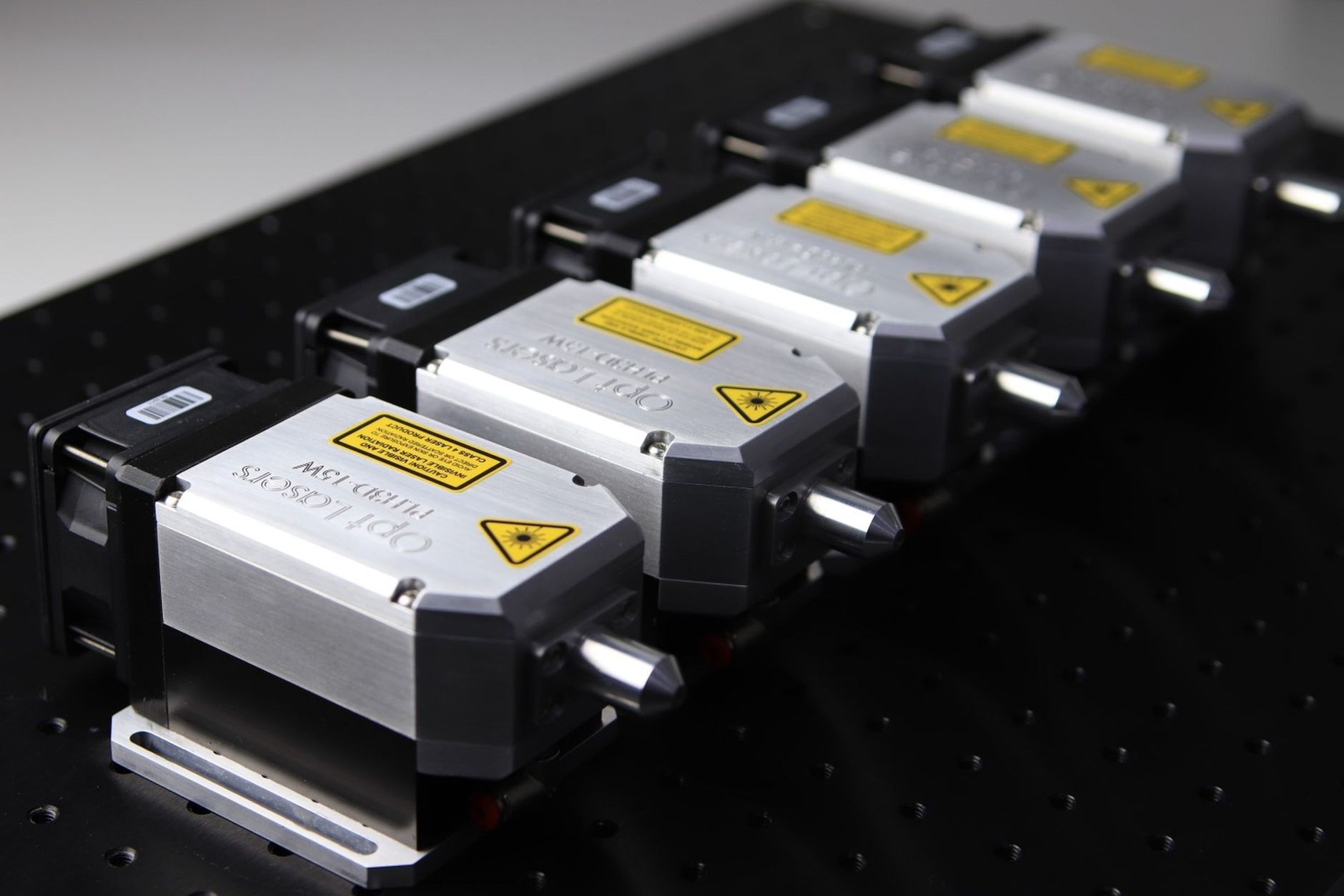
If you’ve been searching for laser engraving on custom t-shirts in Australia, there’s a good chance you’ve already encountered some confusion — and understandably so. The term “laser engraving” gets thrown around loosely in the promotional products space, and many buyers aren’t entirely sure what it means when applied to fabric, or whether it’s even the right choice for their branded apparel project. The short answer is that laser technology can be used on garments, but it works very differently from how it’s used on metal or timber — and knowing the difference could save you significant time, money, and frustration when ordering custom t-shirts for your business, corporate team, or upcoming event.
What Is Laser Engraving, and Can It Really Be Used on T-Shirts?
Laser engraving is a decoration process that uses a high-powered laser beam to etch, cut, or mark the surface of a material. On hard goods — think custom awards, branded drinkware, corporate gifts, or keyrings — the laser removes material from the surface to create a precise, permanent impression. It’s the same principle behind promotional branded compass keyrings for outdoor brands or laser-etched logos on timber and cork items like those featured in cork corporate gifts for Australian businesses.
When it comes to fabric, the process works a little differently. A laser can be used to:
- Engrave or etch fabric — removing fibres from the surface to create a textured, low-relief design. This works particularly well on denim, leather, suede, and some synthetic blends.
- Laser cut fabric — creating precise cut-out shapes or perforations in the material.
- Laser flock or burn designs — a technique that scorches certain synthetic fabrics (particularly polyester) to create a tonal, almost vintage look.
The critical thing to understand is that traditional laser engraving — the kind that produces a crisp, coloured logo on a stainless steel water bottle — does not produce a coloured result on a t-shirt. On most cotton and cotton-blend t-shirts, the laser will simply burn or mark the fabric, creating a subtle tonal effect rather than a vibrant, full-colour print. If your goal is bold, colourful branding on custom t-shirts, laser engraving is rarely the right tool for the job.
Why Australian Businesses Are Searching for Laser Engraving on Custom T-Shirts
Despite the technical limitations, there are real reasons why this search term comes up so frequently. Many Australian businesses and event organisers are already familiar with laser engraving from branded merchandise like drinkware, pens, or awards, and they naturally wonder if the same process can be extended to their apparel needs. Others may have seen laser-etched designs on fashion garments and assumed the technique translates directly to custom corporate t-shirts.
It’s also worth acknowledging that terminology in the branded merchandise industry isn’t always consistent. Some suppliers use “laser engraving” loosely to refer to heat transfer vinyl cutting, sublimation, or even digital direct-to-garment (DTG) printing — all of which are legitimate decoration methods for custom t-shirts. If you’ve received a quote that references laser engraving for apparel, it’s always worth asking your supplier exactly which process they’re using and requesting a sample or product mockup before committing to a bulk order.
For context, if you’re exploring how different decoration methods compare across product categories — particularly for headwear — our post on sublimation on custom caps in Australia provides a helpful comparison of heat-based and print-based techniques that applies equally well to t-shirts.
The Best Decoration Methods for Custom T-Shirts in Australia
Now that we’ve cleared up the laser engraving question, let’s get into what actually works brilliantly for branded t-shirts — because there are excellent options available to Australian businesses across every budget and order size.
Screen Printing
Screen printing remains the gold standard for custom t-shirts in Australia, particularly for larger orders. It’s cost-effective at scale, produces vibrant colours, and is durable enough to withstand repeated commercial laundering. Screen printing is best suited to designs with a limited number of solid colours (typically up to six), and it becomes significantly more economical once you’re ordering 50 or more garments.
A Brisbane primary school ordering custom sports day t-shirts, for example, would typically use screen printing for a two or three-colour design on a plain cotton tee — achieving excellent results at a budget-friendly cost per unit. Minimum order quantities (MOQs) for screen printing generally start around 24–50 pieces depending on the supplier, and standard turnaround times sit around 7–14 business days.
Direct-to-Garment (DTG) Printing
DTG printing uses a specialised inkjet printer to apply water-based inks directly to the fabric surface. It’s the method most comparable to what people imagine when they picture “laser precision” on a t-shirt — it can reproduce photographic detail, gradients, and complex multi-colour artwork with excellent accuracy.
DTG is ideal for smaller runs (sometimes as low as one unit), personalised garments, or designs that involve intricate artwork that would be cost-prohibitive to screen print. The trade-off is that DTG works best on 100% cotton fabrics, and colours can appear slightly less vibrant on darker garments without proper pretreatment. It’s a popular choice for Sydney tech startups ordering small batches of branded staff tees, or event organisers producing limited-edition conference merchandise.
Heat Transfer Vinyl (HTV) and Digital Heat Transfer
Heat transfer vinyl involves cutting designs from coloured vinyl sheets and pressing them onto the garment using heat and pressure. It’s excellent for small quantities, individual names and numbers (common in sporting clubs), and designs requiring a bold, clean finish. Digital heat transfer takes this a step further, allowing full-colour photographic designs to be printed and then heat-pressed onto the garment.
These methods offer flexibility for rush orders and personalisation, though they can be less durable than screen printing or embroidery over the long term.
Embroidery
While embroidery isn’t a print method, it’s worth mentioning here because it’s one of the most premium-looking decoration options for polo shirts, staff uniforms, and corporate apparel. A Melbourne financial services firm kitting out their team in branded polos would almost always choose embroidery for a professional, tactile finish that screen printing simply can’t replicate. For more detail on embroidered apparel, our guide to custom embroidered polo shirts walks through key considerations around thread counts, design complexity, and placement.
Choosing the Right Decoration Method for Your Project
With so many options available, how do you decide? Here are the key factors to weigh up:
Order quantity: Screen printing becomes more economical at higher volumes. DTG and HTV are better suited to smaller runs. If you’re ordering branded t-shirts for a large corporate event or conference, screen printing will usually deliver the best cost-per-unit.
Design complexity: Simple one or two-colour logos suit screen printing perfectly. Photographic, gradient-heavy, or highly detailed artwork is better suited to DTG. Bold solid text or simple graphics work well with HTV.
Fabric type: DTG works best on 100% cotton. Sublimation works best on polyester or polyester-blend fabrics. Screen printing and HTV are versatile across most fabric types.
Turnaround time: If you’re working to a tight deadline — say, event swag for a charity run or community fundraiser — HTV and DTG typically offer faster turnaround than screen printing, which requires screen setup time. Speaking of charity events, our post on event swag for charity runs in Australia has some great ideas for keeping costs down while still producing impactful branded merchandise.
Budget: Factor in setup fees (particularly for screen printing, where each colour requires a separate screen) as well as per-unit costs. For orders under 24 pieces, DTG or HTV is usually the more cost-effective choice.
Where Laser Engraving Does Shine in Branded Merchandise
If laser engraving is a technique you’re genuinely keen to incorporate into your branded merchandise mix, it absolutely has its place — just not on standard cotton t-shirts. Laser engraving produces exceptional results on:
- Drinkware: Stainless steel water bottles, keep cups, and mugs. Our promotional drinkware industry report for Australia highlights just how popular laser-engraved drinkware has become in corporate gifting.
- Tech accessories: Power banks, USB drives, and other electronics. See our overview of promotional tech accessories for inspiration.
- Tote bags with leather patches: Canvas tote bags can feature a laser-engraved leather or faux-leather patch as a branded accent — a premium touch that stands out. Browse our canvas tote bag collection for options.
- Branded stationery and notebooks: Laser engraving on metal pens or hard-cover notebooks creates a sophisticated corporate impression.
- Awards and recognition items: Personalised certificates, plaques, and trophies are natural fits for laser precision. Our post on personalised certificates in Sydney covers this beautifully.
You can also combine product types within a single gifting package — for instance, pairing a laser-engraved keep cup with a branded tote and a screen-printed t-shirt as part of a conference welcome kit or long weekend branded travel kit for accommodation guests.
Getting Your Artwork Ready
Regardless of which decoration method you choose, one universal principle applies: your artwork quality will directly impact the quality of your finished product. For any method other than DTG, vector files (AI, EPS, or SVG formats) are strongly preferred. DTG printing can accommodate high-resolution raster files (300 dpi minimum), but vector artwork is always safer.
If your logo was designed a few years ago and only exists as a low-resolution JPEG from an email signature, now is a good time to get a vector version created before you start any branded merchandise project. Most decoration suppliers can assist with artwork preparation, though this often attracts an additional fee.
Conclusion: Key Takeaways for Businesses Exploring Custom T-Shirt Branding
Navigating decoration methods for custom t-shirts in Australia doesn’t need to be complicated once you understand what each technique delivers. Here’s a quick summary of what we’ve covered:
- Laser engraving on custom t-shirts in Australia is technically possible but produces a subtle tonal effect rather than a coloured print — it’s rarely the right choice for standard branded apparel.
- Screen printing is the most cost-effective option for bulk orders with simple designs, while DTG printing offers flexibility and detail for smaller or personalised runs.
- Laser engraving excels on hard goods — drinkware, tech accessories, leather patches, awards, and timber or cork products — and can complement a broader branded merchandise kit.
- Always confirm which decoration method your supplier is using when “laser engraving” is mentioned in the context of fabric or garments, and request a sample where possible.
- Artwork quality matters: Vector files are the gold standard for most decoration methods and will ensure your logo looks sharp and professional at any size.
Whether you’re equipping a corporate team in Melbourne, kitting out volunteers for a Perth community event, or creating staff uniforms for an Adelaide hospitality business, the right decoration method will make all the difference to the final result — and now you have the knowledge to make that call with confidence.