
How Promotional Recipe Cards Help Kitchen and Homewares Brands Stand Out in Australia
Discover how promotional recipe cards can elevate kitchen and homewares brands in Australia — from design tips to print specs and gifting ideas.

Written by
Oscar Tanaka
Bags & Totes
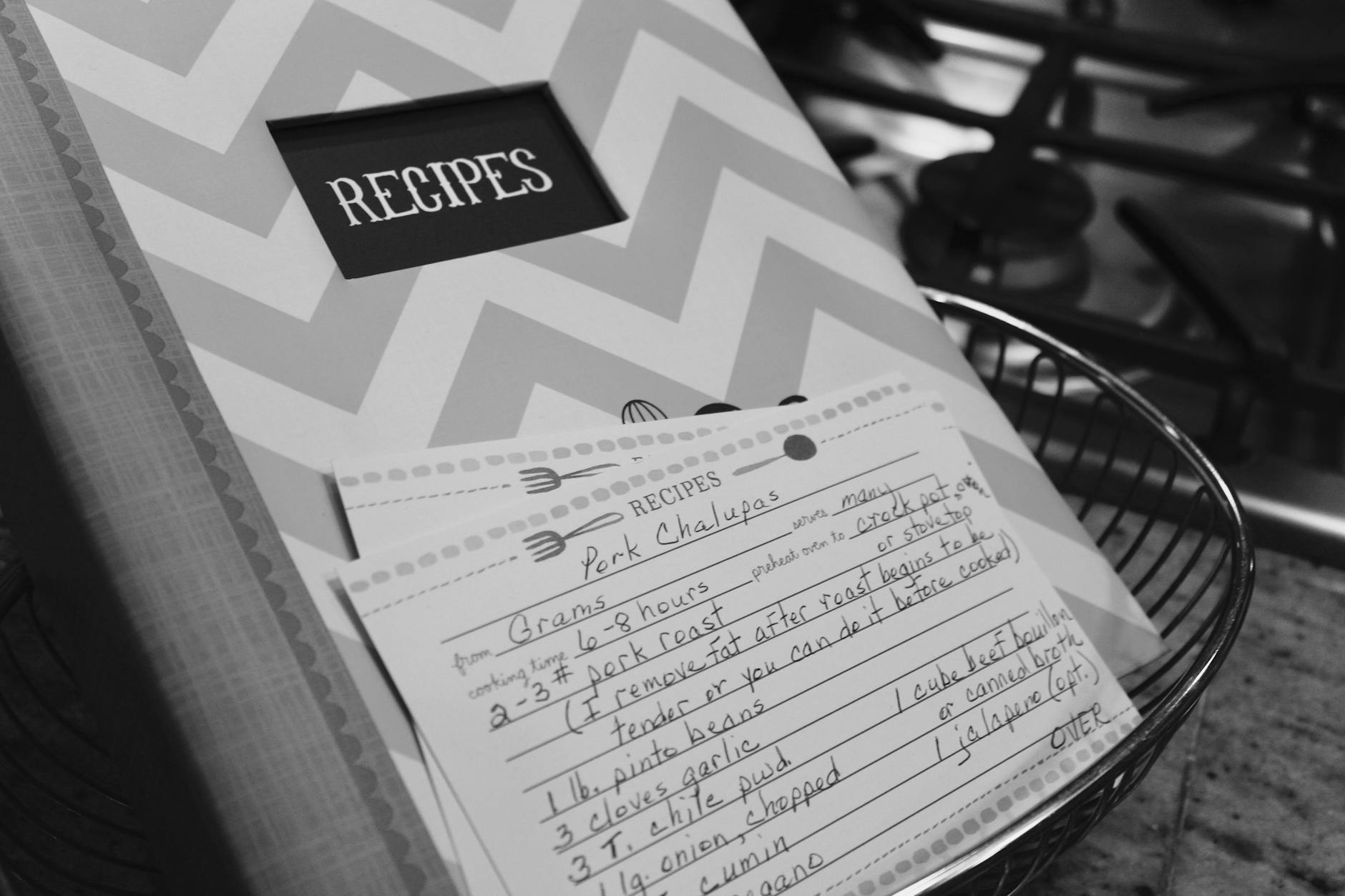
There is something genuinely clever about a promotional product that people actually want to keep. While branded pens get lost and lanyards end up in drawers, a beautifully designed recipe card earns a permanent spot on the kitchen bench, pinned to the fridge, or tucked into a recipe folder that gets pulled out week after week. For kitchen and homewares brands operating in Australia, promotional recipe cards represent one of the most targeted, cost-effective, and creatively rich marketing tools available. They speak directly to your audience in their most natural environment — the kitchen — and they do it with genuine usefulness rather than passive logo placement.
Why Promotional Recipe Cards Work So Well for Kitchen and Homewares Brands
Most promotional products face an uphill battle: they need to be useful enough that recipients keep them, visible enough to generate brand impressions, and relevant enough to associate positively with the brand. Recipe cards tick all three boxes with ease, particularly for businesses in the kitchen and homewares space.
Think about a Sydney-based cookware retailer launching a new ceramic pan range. Including a set of five recipe cards — each featuring a dish best cooked in that pan — transforms a standard purchase into a curated experience. Customers aren’t just buying a product; they’re gaining confidence and inspiration. The brand name, website, and social handles are quietly present on every card, but the overall impression is one of generosity and expertise rather than advertising.
This is what makes promotional recipe cards for kitchen and homewares brands in Australia so powerful: they deliver genuine value, which translates directly into brand affinity.
Beyond retail, recipe cards work brilliantly as:
- In-store giveaways at cooking demonstrations or tastings
- Trade show and expo inclusions for food and lifestyle brands exhibiting at events like Fine Food Australia or the Melbourne Home Show
- Product launch inserts for online orders or direct mail campaigns
- Gifts with purchase for seasonal promotions around Christmas, Easter, or Mother’s Day
- Corporate gifting additions when paired with branded hampers or kitchen accessories
Key Design Considerations for Printed Recipe Cards
Getting the design right is everything. A poorly printed, flimsy card undermines the brand story you’re trying to tell. Here’s what to consider before you go to print.
Card Stock and Finish
Recipe cards live in environments where spills, steam, and grease are occupational hazards. Opting for a heavier card stock — 350gsm or above — gives the card a premium, substantial feel. A gloss or matte laminate finish adds a layer of protection and elevates the perceived quality significantly. Some brands opt for a soft-touch matte laminate, which has a tactile quality that feels luxurious and photographs beautifully for unboxing content.
Avoid overly thin or uncoated stock unless you’re going for a deliberate craft, artisan aesthetic (in which case a textured, uncoated recycled card can look stunning and align with eco-conscious brand values).
Size and Format
Standard recipe card sizes in Australia typically run at A5 (148 × 210mm) or a custom square format (150 × 150mm). A5 is particularly popular because it sits comfortably in the hand and is large enough to display both an image and the full recipe without feeling crowded.
Some brands produce recipe card sets in a boxed format — six to twelve cards in a branded box — which elevates the product from a promotional freebie to a genuine gift item. This approach works exceptionally well for premium homewares brands or as a corporate gifting insert alongside something like a custom cookie gift set for real estate settlement gifts or a thoughtfully curated welcome hamper.
Decoration and Printing Methods
Digital printing is the standard approach for recipe cards, allowing full-colour, high-resolution photography and illustration to be reproduced faithfully. For brands that want to go further, there are some beautiful finishing options:
- Spot UV coating on your logo or key design elements creates a stunning contrast between gloss and matte surfaces
- Foil stamping in gold, silver, or rose gold adds a premium, celebratory quality — ideal for gifting occasions
- Embossed logos give a tactile dimension that makes cards feel truly custom and considered
If you’re exploring other decoration methods for your broader merchandise range, it’s worth reading our guide to laser engraving on custom products in Australia to understand how different techniques apply across different materials and product types.
Artwork Requirements
As with all printed promotional products, your artwork should be supplied in a vector format (AI, EPS, or high-resolution PDF) to ensure crisp reproduction at any size. Photographs should be at least 300dpi at print size. Most Australian print and promotional suppliers will provide a digital proof for approval before going to press — never skip this step, as colour accuracy and text positioning are critical on a card this small.
PMS (Pantone Matching System) colour matching is worth requesting if your brand has specific colour standards, particularly for your logo. Slight colour shifts between screen and print are common, and PMS matching removes the guesswork.
How to Use Recipe Cards Within a Broader Merchandise Strategy
Promotional recipe cards rarely work in isolation — they’re most impactful when integrated into a broader branded merchandise ecosystem. For kitchen and homewares brands, this opens up a world of creative pairing opportunities.
Pairing Recipe Cards with Branded Drinkware
Recipe cards featuring warming soups, spiced drinks, or barista-style coffees pair naturally with branded mugs, keep cups, or thermal bottles. A Brisbane homewares retailer might bundle a recipe card for a chai latte with a custom keep cup as a staff gift or customer loyalty reward — a pairing that tells a cohesive brand story. Our promotional drinkware industry report for Australia explores just how much branded drinkware resonates with Australian consumers and why it remains one of the top-performing product categories year after year.
Branded coffee cups are particularly popular in this space, and when paired with a recipe card for a signature hot chocolate or cold brew, they create a genuinely memorable gifting moment.
Pairing with Tote Bags and Eco Products
A recipe card inserted into a branded canvas tote bag filled with seasonal produce or pantry staples is a crowd-pleasing gift for events, pop-ups, and farmers market activations. It signals a lifestyle brand that cares about the full cooking experience. For eco-conscious brands, pairing recipe cards with sustainable items deepens your environmental credentials — explore our look at cork corporate gifts in Australia for inspiration on how natural materials can elevate your gifting strategy.
Custom canvas tote bags are a natural companion for recipe cards and work well across a wide range of brand activations.
Conference and Event Applications
Food and lifestyle brands exhibiting at trade shows or conferences can use recipe cards as a talking point at the stand — something tactile and engaging that starts conversations. Rather than handing out a brochure, you’re handing out a recipe. The brand recall is significantly stronger. This approach complements other promotional tech accessories and stationery items in your event swag arsenal, giving attendees a varied and memorable take-home experience.
Minimum Order Quantities, Turnaround Times, and Budget Guidance
Understanding the practical mechanics of ordering promotional recipe cards in Australia will help you plan your campaign effectively.
Minimum order quantities (MOQs): Most Australian promotional suppliers can produce recipe cards from as low as 100 units for simple digital prints, though 250–500 is a more typical starting point for branded sets. Boxed sets with custom packaging typically require higher MOQs, often 500 or more, due to the additional setup involved.
Turnaround times: Standard production runs for recipe cards typically take 10–15 business days from artwork approval. If you’re ordering for a specific event or campaign launch — such as a product release ahead of Mother’s Day or a trade expo in Melbourne — allow at least three to four weeks from briefing to delivery. Rush orders are sometimes available at an additional cost.
Budget considerations: Per-unit costs for recipe cards vary significantly based on card stock, finish, print complexity, and quantity. As a general guide, A5 cards with a single-sided full-colour print on quality stock might sit between $0.80 and $2.50 per unit at typical campaign quantities. Premium finishes like foil stamping or soft-touch laminate will push this higher, but the perceived value increase is often well worth the investment for premium brands.
For brands producing content-rich sets — say, twelve recipe cards in a magnetic-closure gift box — costs per set can range from $8 to $20 depending on specifications and volume. These make exceptional gifts and can be presented alongside other thoughtful touches like long weekend branded travel kits for accommodation gifts.
Choosing the Right Supplier for Your Recipe Cards
Not all print suppliers have experience producing promotional recipe cards at a quality level appropriate for premium brand representation. When evaluating suppliers, ask to see physical samples of their card stock and finishes before committing. Request a colour-accurate digital proof and confirm their PMS matching capabilities if colour consistency is important to your brand.
Suppliers who understand the promotional merchandise industry — rather than purely commercial print — will be better equipped to advise on things like packaging options, card sizing conventions, and how to coordinate recipe cards with your broader merch program.
If you’re producing recipe cards as part of a larger campaign that includes personalised certificates in Sydney, branded bags, or other custom stationery, working with a supplier who can consolidate multiple product types can streamline your project significantly.
Conclusion: Key Takeaways for Kitchen and Homewares Brands
Promotional recipe cards for kitchen and homewares brands in Australia offer a rare combination of high utility, strong brand visibility, and genuine emotional resonance. When executed well, they don’t feel like advertising — they feel like a gift. Here are the key points to carry forward:
- Choose quality materials: Heavy card stock and a premium laminate finish communicate brand values before the recipient even reads a word.
- Design for the kitchen environment: Consider durability, readability at arm’s length, and a format (A5 or square) that fits naturally in a kitchen setting.
- Pair recipe cards strategically: Combine them with branded drinkware, tote bags, or eco products for a cohesive gifting experience that amplifies your message.
- Plan your timeline carefully: Allow three to four weeks for production, especially if you’re ordering boxed sets or using premium finishing techniques.
- Integrate into your broader merch strategy: Recipe cards are most impactful as part of a wider branded merchandise approach, not as a standalone item.
Whether you’re a Melbourne cookware brand launching a new product line, an Adelaide homewares retailer running a seasonal campaign, or a Perth food business preparing for a major trade event, promotional recipe cards are a versatile and genuinely useful tool that earns its place in your marketing toolkit — and on your customers’ kitchen benches.