
The Complete Quality Guide to Digital Printing for Promotional Products in Australia
Discover how digital printing works for promotional products, when to use it, and how to get the best quality results for your branded merch.

Written by
Mia Chen
Branding & Customisation
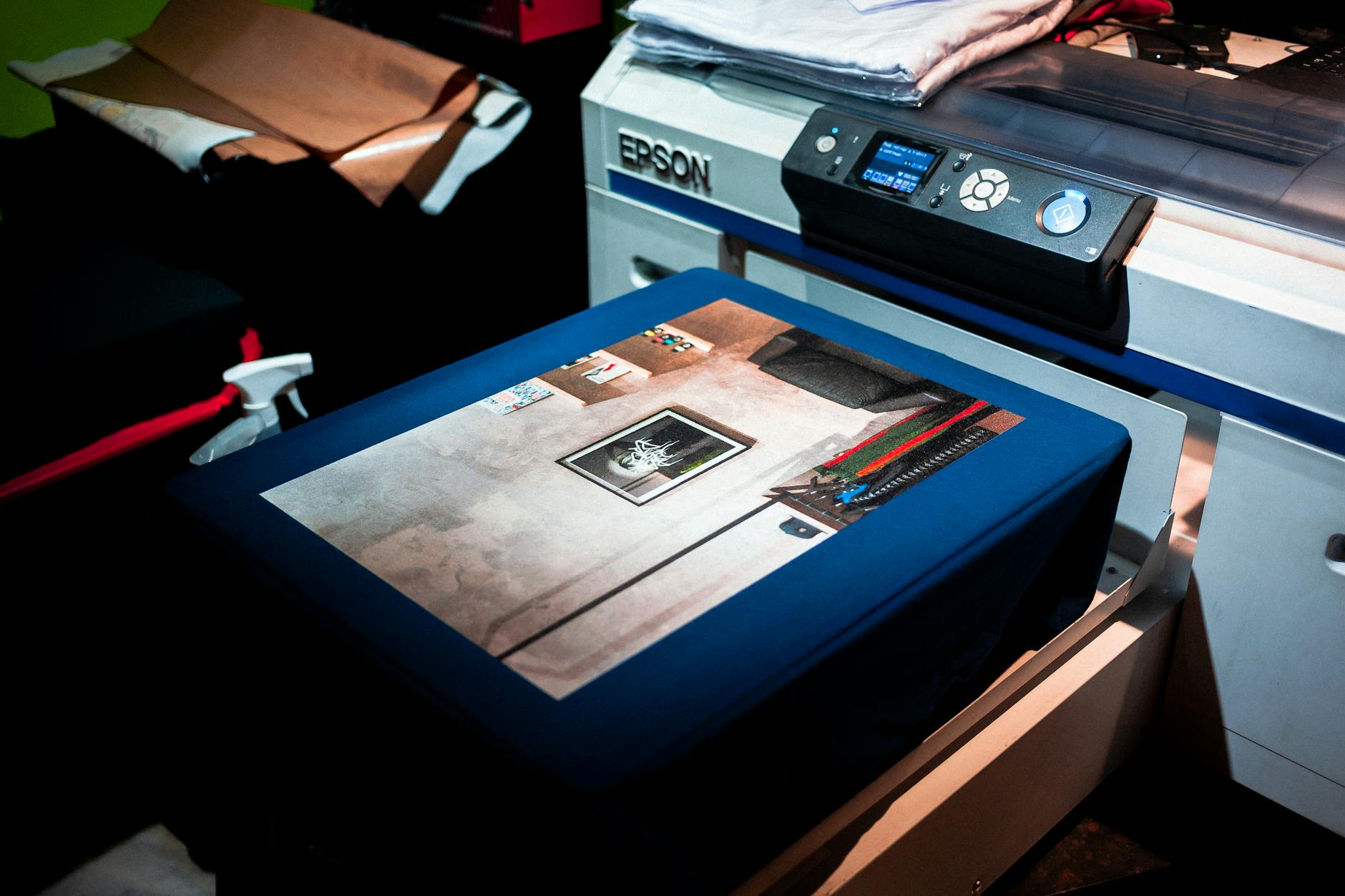
Digital printing has transformed the way Australian businesses, event organisers, and corporate teams bring their branded merchandise to life. Where traditional methods once demanded significant setup costs and long lead times, digital printing now offers vibrant, detailed results with far greater flexibility — making it one of the most popular decoration choices across the country. But like any printing method, quality varies enormously depending on the product, the process, and the decisions made before a single item goes to print. Whether you’re ordering custom merchandise for a Sydney product launch, a Melbourne conference, or a Queensland charity fundraiser, understanding the nuances of digital printing will help you avoid costly mistakes and get results that truly represent your brand.
What Is Digital Printing and How Does It Work?
Digital printing is exactly what it sounds like — artwork is transferred directly onto a product using digital technology, without the need for screens, plates, or stencils. The process involves feeding your artwork file into specialised printing equipment that applies ink (or in some cases, toner) directly onto the substrate — which could be fabric, paper, plastic, metal, or even ceramic.
There are several distinct digital printing methods used in the promotional products industry, and it’s important to understand how they differ:
Direct-to-Garment (DTG) Printing
DTG is widely used for custom apparel, including t-shirts, hoodies, and tote bags. The garment is loaded into a flatbed printer, and the design is sprayed directly onto the fabric using water-based inks. It handles full-colour, photographic-quality artwork brilliantly and requires no minimum order quantities in many cases — making it ideal for small runs or personalised items.
Direct-to-Film (DTF) Printing
DTF involves printing your design onto a special film before heat-pressing it onto the product. It offers excellent colour vibrancy and works on a wider range of fabrics than DTG, including nylon and polyester blends. This method has grown significantly in popularity across Australia’s promotional apparel sector.
UV Printing
UV printing uses ultraviolet light to cure the ink instantly as it’s applied, producing crisp, durable results on hard substrates like pens, USB drives, phone cases, drinkware, and awards. It’s a go-to method for promotional tech accessories and hard goods, offering high-resolution prints even on curved or irregular surfaces.
Dye Sublimation
Sublimation is technically a digital process — artwork is digitally printed onto transfer paper and then heat-pressed onto polyester fabrics or coated hard goods, where the ink becomes part of the substrate rather than sitting on top of it. The results are incredibly vivid and durable. For more on how this works for headwear, check out our guide to sublimation on custom caps in Australia.
The Quality Guide: What Determines Print Quality?
Understanding the technical foundations of quality is essential for anyone ordering digital printing for promotional products. Here’s what to focus on.
Artwork Resolution and File Format
Resolution is one of the most common causes of poor print results. Digital printing requires high-resolution artwork — typically 300 DPI (dots per inch) at the actual print size. Logos or graphics pulled from websites are usually only 72–96 DPI, which will look blurry or pixelated when scaled up to print size.
Always supply your artwork in vector format (such as .AI, .EPS, or .PDF with outlined fonts) where possible. Vector files are infinitely scalable without loss of quality. If you only have raster files (like .PNG or .JPG), ensure they are at 300 DPI or higher.
Colour Accuracy and Management
Screens display colours using the RGB colour model, but printing uses CMYK. This shift can cause colours to appear different on the printed product compared to what you saw on your monitor. If colour accuracy is critical — say, you’re matching your corporate brand colours — ask your supplier about PMS (Pantone Matching System) colour referencing.
It’s also worth ordering a physical sample before committing to a full production run, particularly for large orders. What looks perfect on screen may print differently depending on the substrate and ink system being used.
Substrate and Surface Suitability
Digital printing doesn’t work equally well on every surface. Cotton fabrics print beautifully with DTG; polyester fabrics are better suited to sublimation or DTF. Hard goods like bottles, pens, and keyrings generally suit UV printing. Understanding substrate compatibility is one of the first things a quality-focused supplier will advise you on.
For example, eco-friendly promotional items like bamboo products and recycled materials require particular attention — surfaces may be porous or uneven, affecting ink adhesion. If you’re ordering recycled office supplies in Australia, ask specifically about the decoration method recommended by your supplier.
Ink Quality and Durability
Not all inks are created equal. Ask your supplier about wash-fastness ratings for apparel and UV resistance for outdoor or drinkware products. Inferior inks may fade rapidly after a few washes or when exposed to sunlight — which is particularly relevant in Australian conditions, where UV intensity is exceptionally high.
If your promotional items will be used outdoors — think promotional safety whistles for mining operations or branded gear for outdoor events — durability should be a key factor in both product and printing method selection.
When Is Digital Printing the Right Choice?
Digital printing is an excellent choice in many scenarios, but it’s not always the best option for every project. Here’s a practical breakdown.
Small Quantities and Short Runs
Because digital printing doesn’t require screens or plates, there are typically no setup fees, making it highly cost-effective for small quantities. A Brisbane startup ordering 20 branded tote bags for a pop-up event, for instance, would likely save significantly using digital printing compared to screen printing, which carries a per-colour setup fee.
For items with no minimum order requirements at all, such as custom stubby holders with no minimum, digital printing methods are often what makes this flexibility possible.
Complex, Full-Colour, or Photographic Artwork
If your design features gradients, multiple colours, photographic imagery, or fine detail, digital printing is almost certainly your best bet. Screen printing, pad printing, and embroidery all struggle with complexity and colour variety. Digital printing handles it all with ease.
This makes it a popular choice for event merchandise, conference giveaways, and charity campaigns — like event swag for charity runs in Australia where organisers often want bold, colourful branding across a range of products.
Personalisation and Variable Data Printing
Digital printing is uniquely suited to personalisation. If you need to print individual names, numbers, or unique codes on each item — for employee recognition gifts, conference lanyards, or personalised certificates in Sydney — digital printing can handle variable data without any additional setup cost per variation.
Common Digital Printing Mistakes to Avoid
Even with the best technology available, mistakes happen — usually at the planning stage. Here are the most common pitfalls to steer clear of.
Supplying low-resolution artwork. As mentioned, always use high-resolution vector files. Never submit a logo screenshot or website graphic and expect sharp results.
Ignoring bleed and safe zones. For items with edge-to-edge printing, your artwork needs to extend beyond the print boundary (bleed), and important design elements should stay within the safe zone to avoid being trimmed.
Choosing the wrong product for the method. Not every product is compatible with every digital printing technique. Always confirm substrate suitability with your supplier before ordering.
Skipping the proof approval stage. Always review and approve a digital proof — or ideally a physical sample — before production begins. Changes after production has started can be expensive.
Underestimating turnaround time. While digital printing is generally faster than screen printing, standard production can still take 5–10 business days, with express options available at a premium. Factor this into your event planning.
Digital Printing Across Popular Promotional Product Categories
Digital printing is now used across a huge range of promotional merchandise categories in Australia. Here are some of the most common applications:
- Apparel: Custom hoodies, t-shirts, and workwear — see our full guide to custom printed hoodies in Brisbane for what to expect when ordering printed garments.
- Drinkware: UV printing on branded bottles and keep cups. Our promotional drinkware industry report for Australia explores the most popular products and decoration options.
- Sustainable products: From sustainable branded water bottles to eco-friendly bags, digital printing is increasingly applied to greener product choices.
- Novelty and seasonal items: Products like custom printed portable fans in Australia are a great example of where UV or pad printing delivers bold branding on fun, practical items.
- Food and lifestyle products: Items like promotional lollies in Brisbane and promotional recipe cards for kitchen and homewares brands rely on high-quality digital printing to deliver professional results on packaging and printed collateral.
- Health and wellness products: From promotional massage tools for healthcare providers to promotional sunscreen for spa and beauty businesses, digital printing enables clean, professional branding even on small-surface hard goods.
- Executive gifts: Premium products like personalised noise-cancelling headphones for executive gifts and long weekend branded travel kits for accommodation gifts often combine digital printing with laser engraving for a premium look.
- Outdoor and adventure products: Items like promotional branded compass keyrings for outdoor brands showcase how UV printing delivers detailed branding on small metal and plastic surfaces.
Working With a Supplier: What to Look For
If you’re sourcing digital printing for promotional products, partnering with the right supplier makes all the difference. Whether you’re in Adelaide (see our guide to custom merchandise suppliers in SA) or anywhere else in Australia, look for suppliers who:
- Provide pre-production digital proofs as standard
- Offer physical samples before full production runs
- Are transparent about turnaround times and setup fees
- Can advise you on the best decoration method for your specific product
- Have clear policies on reprints if quality standards aren’t met
Don’t be afraid to ask questions. A reputable supplier will welcome them.
Conclusion: Key Takeaways for Getting the Best From Digital Printing
The quality guide to digital printing for promotional products really comes down to preparation, product selection, and partnering with knowledgeable suppliers. When you get those three things right, the results can be outstanding — vibrant, durable, and genuinely representative of your brand.
Here are the key takeaways to remember:
- Always supply high-resolution vector artwork at 300 DPI or higher to ensure sharp, professional print results.
- Choose the right digital printing method for your substrate — DTG for cotton apparel, sublimation for polyester, UV printing for hard goods.
- Request a proof or physical sample before committing to full production, especially on large or high-value orders.
- Plan your timeline carefully — even fast digital printing methods need adequate production time, particularly around busy periods like end of financial year or the Christmas season.
- Ask your supplier the right questions about ink durability, colour accuracy, and product suitability to avoid disappointment and get the best possible result for your budget.