
Tee Shirts Custom Printed: The Complete Guide for Australian Businesses and Teams
Everything Australian businesses need to know about ordering custom printed tee shirts — decoration methods, MOQs, budgets, and tips.

Written by
Kai Williams
Custom Apparel
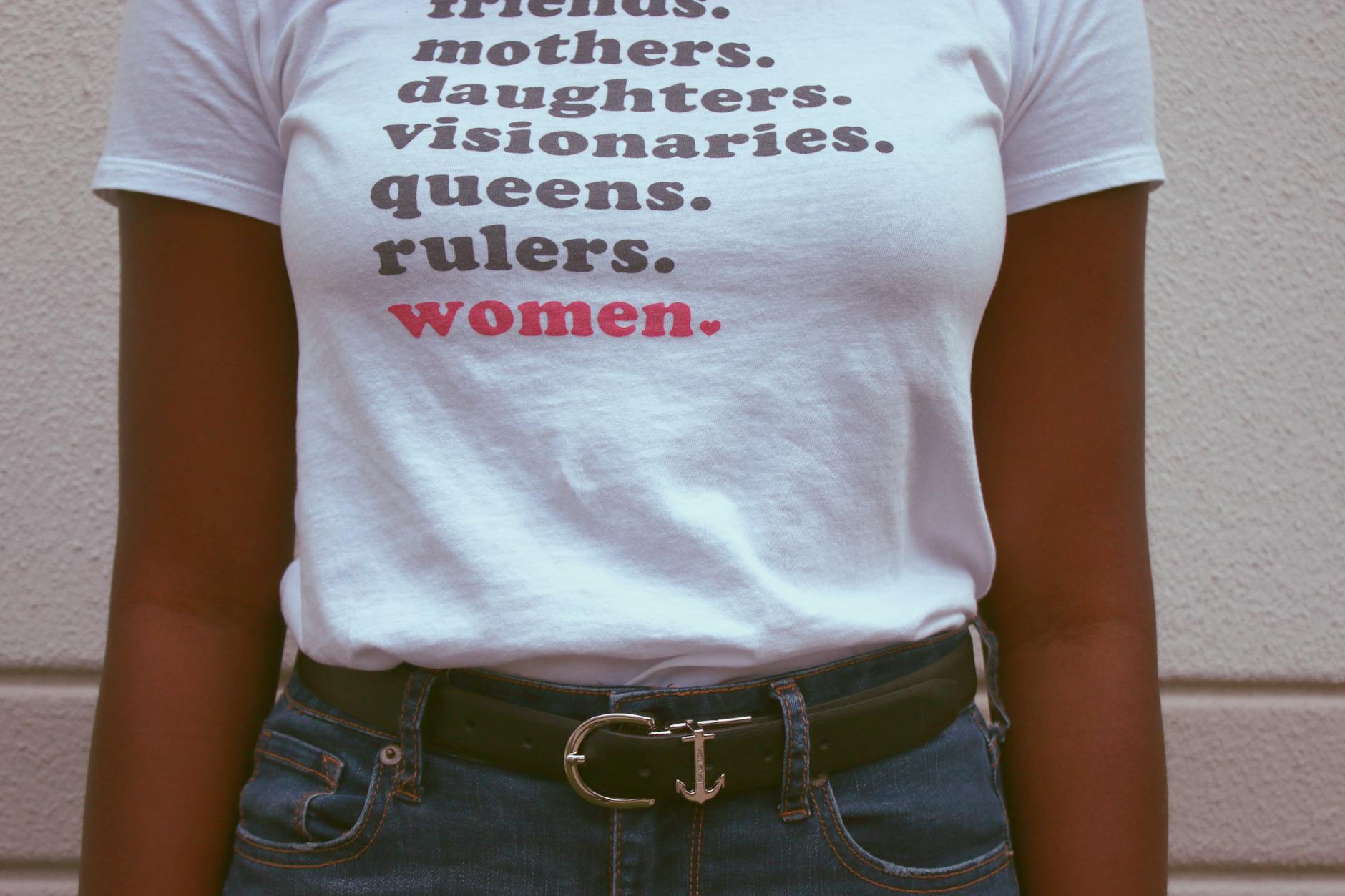
Custom printed tee shirts remain one of the most versatile, cost-effective, and recognisable forms of branded merchandise available to Australian organisations. Whether you’re a Sydney tech startup gearing up for a product launch, a Brisbane corporate team heading to a trade show, or a Melbourne not-for-profit running a community fundraiser, a well-designed custom tee shirt communicates your brand in a way few other promotional products can match. People wear them, keep them, and are seen in them — which means your logo and message travel far beyond the initial event or campaign. But with so many variables involved — fabric weights, decoration methods, sizing, minimum order quantities, and turnaround times — it’s easy to feel overwhelmed before you’ve even opened a quote. This guide breaks it all down so you can approach your next order with confidence.
Why Tee Shirts Custom Printed Are a Smart Branding Investment
Before diving into the how-to details, it’s worth understanding why custom tee shirts continue to dominate the promotional merchandise space in Australia. Put simply, they work. According to promotional industry research, wearable items like t-shirts generate more brand impressions per item than almost any other promotional product category. A single branded tee worn at a weekend market, sporting event, or casual Friday at the office can be seen by dozens — sometimes hundreds — of people.
They’re also exceptionally flexible across industries and audiences. Corporate teams use them as staff uniforms or event giveaways. Schools and universities order them for sports days, camps, and orientation weeks. Sporting clubs use them as training gear, merchandise, or volunteer shirts. Event organisers hand them out at festivals, conferences, and expos. If you’re exploring the full range of branded items that can complement a custom tee campaign, it’s worth reviewing resources like our guide to summer promotional products in Perth or how to choose the right promotional tech accessories to build a well-rounded merchandise kit.
The bottom line: tee shirts offer broad appeal, high visibility, and a relatively low cost per impression compared to most other marketing channels.
Understanding Your Decoration Options
One of the most important decisions when ordering tee shirts custom printed is selecting the right decoration method. This choice affects print quality, colour vibrancy, durability, cost, and suitability for different garment types and design styles.
Screen Printing
Screen printing is the traditional workhorse of the custom apparel industry and remains the most popular method for bulk t-shirt orders in Australia. It involves pushing ink through a mesh screen (one per colour) directly onto the garment. The result is bold, opaque, and highly durable — colours stay vivid even after repeated washing.
Screen printing is typically the most cost-effective option when ordering 50 or more units, thanks to the economies of scale that kick in once setup fees are spread across a larger run. It’s ideal for designs with solid colours and clean lines. However, it becomes less practical for very small runs (due to setup fees per colour) or for photographic, gradient-heavy artwork.
Digital Printing (DTG)
Direct-to-garment (DTG) printing uses inkjet technology to apply full-colour designs directly onto fabric. It’s the go-to method for complex, multi-colour, or photographic artwork, and it excels at small runs — even single units. For a deeper understanding of how this technology applies across the broader promotional products space, our quality guide to digital printing for promotional products is an excellent starting point.
The trade-off with DTG is that per-unit costs remain relatively high even at larger quantities, and results can vary on dark-coloured garments unless a white underbase is applied. It works best on 100% cotton or high-cotton-blend tees.
Heat Transfer and Sublimation
Heat transfer printing involves applying a pre-printed design to the garment using heat and pressure. It’s flexible and suits smaller runs, but durability can be lower than screen printing depending on the application method and garment type.
Sublimation, on the other hand, is a game-changer for polyester-heavy garments and all-over print designs. The dye becomes part of the fabric rather than sitting on top of it, resulting in vivid, permanent prints that won’t crack or peel. If you’ve explored sublimation techniques for custom caps, you’ll already have a sense of how this method delivers outstanding results on wearable items.
Embroidery
While not technically “printing,” embroidery is worth mentioning as an alternative for premium or corporate applications. It works beautifully on polo shirts and heavier tees but is less suited to detailed, multi-colour artwork and adds weight to lighter garment styles.
Choosing the Right Garment
Not all tee shirts are equal. When placing a custom order, you’ll need to consider fabric composition, weight, and fit — all of which affect how the finished product looks, feels, and wears.
Fabric and Weight
Cotton is the classic choice for custom t-shirts and remains popular for its softness, breathability, and print compatibility. Standard promotional tees typically range from 150–180gsm, while premium options land in the 180–210gsm range. Heavier garments feel more substantial and tend to hold their shape better over time.
Cotton-polyester blends (commonly 65/35 or 50/50) offer increased durability and moisture-wicking properties, making them popular for sporting events and outdoor activations. For warm-weather environments like Darwin or coastal Queensland, moisture-wicking performance fabrics are worth considering, particularly if the tees will be worn during physical activity.
Sizing and Fit
Standard unisex sizing works well for many promotional applications, but for corporate staff uniforms or active wear, offering fitted cuts for different body types improves wearability and the likelihood that recipients will actually wear the shirt. Always request a size chart from your supplier and consider ordering a pre-production sample before committing to your full run.
Minimum Order Quantities, Turnaround Times, and Budgeting
MOQs and Pricing
For screen printing, most Australian suppliers work with a minimum order quantity (MOQ) of 12–25 units, though some will go lower at a higher per-unit price. The sweet spot for cost-effectiveness is typically 50–100 units, where setup fees are fully amortised and bulk pricing tiers kick in.
As a rough guide for 2026:
- Basic promotional tees, screen printed, one colour: $8–$15 per unit at 50+ units
- Mid-range cotton tees, two to three colours: $12–$22 per unit at 50+ units
- Premium garments, full-colour DTG: $25–$45 per unit depending on quantity
Setup fees (artwork separation, screen creation) typically range from $50–$100 per colour per position for screen printing. Always clarify whether quoted prices include setup fees or list them separately.
Turnaround Times
Standard production turnaround for most custom tee shirt orders in Australia is 10–15 business days after artwork approval. Rush orders (5–7 business days) are available from many suppliers but often attract a surcharge of 20–30%. For time-sensitive events — a Canberra government conference, a Gold Coast expo, or an Adelaide community festival — factor artwork approval time into your project timeline. It often takes longer than expected.
Budgeting Tips
- Order a small sample run or a physical pre-production sample before committing to your full quantity
- Standardise to one or two print positions (front and/or back) to manage costs
- Consolidate colour counts where possible — even simplifying from three colours to two can yield meaningful savings at scale
- Consider pairing your tee order with complementary items like personalised stubby holders or custom tote bags for a cohesive event merchandise package
Artwork Preparation and Approval
Getting your artwork right before submitting is one of the most important steps in a successful tee shirt order. Poor artwork preparation is the single most common cause of delays, reprints, and disappointing results.
Supply your artwork as a vector file (AI, EPS, or high-resolution PDF) wherever possible. Raster files (JPG, PNG) are only suitable at very high resolutions — at least 300dpi at the intended print size. Ensure all fonts are outlined or embedded, and confirm colour specifications using PMS (Pantone Matching System) codes rather than RGB or CMYK values, which can shift between screens and print environments.
Most reputable Australian suppliers will provide a digital proof for approval before production begins. Review this carefully — check for spelling errors, colour accuracy, placement, and sizing. Once you approve, changes become costly.
Eco-Friendly Options for Conscious Brands
Sustainability is increasingly a consideration for Australian organisations sourcing branded merchandise, and the custom apparel category has responded accordingly. Organic cotton, recycled polyester (rPET), and blended eco-fabrics are now widely available through Australian suppliers. If your organisation has sustainability commitments, specifying certified organic or recycled garments is a straightforward way to align your merchandise with your values.
This approach pairs well with other eco-conscious choices across your merchandise range — from sustainable branded water bottles to recycled office supplies.
Sectors That Get the Most Value From Custom Printed Tees
Across Australia, certain sectors consistently achieve outstanding ROI from tee shirts custom printed:
- Corporate and events teams using tees for staff identification, team-building activities, and conference giveaways
- Sporting clubs and associations across the country ordering training and merchandise tees in bulk
- Schools and universities — from a Perth primary school sports carnival to a Brisbane university orientation week
- Not-for-profits and charities using tees to build awareness and community identity during fundraising campaigns
- Trade show and expo exhibitors wanting staff to stand out on the floor
To build a complete branded merchandise strategy around your tee shirt order, it’s also worth exploring options like promotional lanyards in Sydney for event credibility or branded sport water bottles for active audiences. If you’re planning a broad event merchandise rollout, working with experienced promotional companies can help you coordinate multiple product categories efficiently.
For something a little more premium, a custom varsity jacket can make an excellent companion piece for corporate teams or school merchandise ranges looking to move beyond basic tees.
Key Takeaways
Ordering tee shirts custom printed doesn’t need to be complicated, but it does reward careful planning. Here’s a quick summary of what to keep in mind:
- Choose your decoration method based on design complexity and order volume — screen printing suits bold designs in bulk, while DTG is better for complex artwork at smaller quantities
- Fabric weight and composition matter — match the garment to the end use, whether that’s a corporate event, outdoor activation, or everyday wear
- Get your artwork right before you submit — vector files, outlined fonts, and PMS colour codes will save you time and money
- Factor in the full project timeline — including artwork approval, sample review, and production lead times to avoid last-minute stress
- Consider sustainability — eco-friendly garment options are widely available and can meaningfully strengthen your brand’s environmental positioning
With the right preparation and supplier partnership, a custom tee shirt order can become one of the most impactful and cost-effective branded merchandise investments your organisation makes this year.